


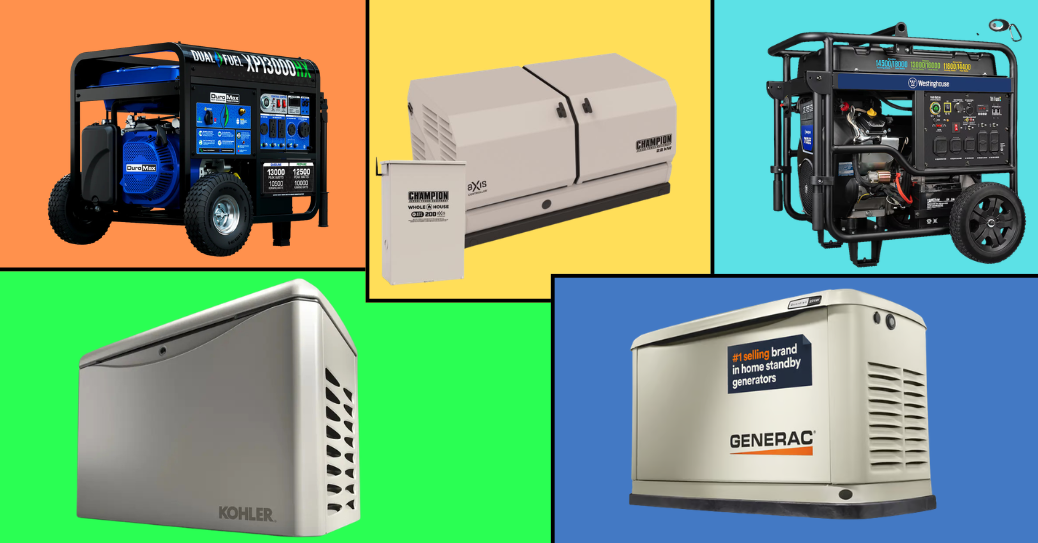
Florida homeowners lose power every hurricane season. The grid buckles under wind, rain, and falling trees. A backup generator turns a dark, sweltering house into a livable one. This guide breaks down the five best backup generators for Florida hurricanes in 2026. It compares standby and portable models. It also covers pricing, fuel type, installation, and real-world performance.
Why Florida Homeowners Need a Backup Generator Now
NOAA released its 2026 Atlantic hurricane outlook in May. Forecasters predict a below-normal season this year. The outlook, which runs June 1 to November 30, predicts a 35% chance of a near-normal season, a 10% chance of an above-normal season, and a 55% chance of a below-normal season. NOAA is forecasting a range of eight to 14 total named storms. Out of those, three to six are forecast to become hurricanes, including one to three major hurricanes.
A below-normal forecast still worries emergency managers. NOAA cited El Niño weather conditions, warmer ocean temperatures, and weaker trade winds as factors this year. One storm can still devastate a coastal county. It only takes one storm making landfall in a populated area to make a season catastrophic. Florida sits exposed on three sides. Every named storm threatens the peninsula directly.
Peak activity still looms ahead this year. Activity typically peaks between mid-August and mid-October, though systems can form outside those dates. That window covers back-to-school season, football season, and family vacations. Power outages during that stretch hit hardest. Refrigerated food spoils fast in Florida heat. Medical equipment stops working without electricity. Air conditioning failure turns dangerous within hours.
Florida’s aging grid struggles under storm-force winds. Utility companies report thousands of outages after moderate storms. Even tropical storms knock out power for days. Hurricane-force winds can knock out power for weeks in rural counties. A generator removes that uncertainty from your household completely.
Standby vs Portable Generators: Which Fits Your Home
Florida buyers split into two camps every season. Some want automatic whole-house standby generators. Others prefer portable and dual-fuel units instead. Each option serves a different budget and lifestyle.
Standby generators sit outside your home permanently. They run on natural gas or propane fuel. They start automatically within seconds of an outage. No homeowner action is required during the storm. They cost more upfront but need zero manual setup.
Portable generators cost less and store easily. They run on gasoline, propane, or both fuels. You must manually start and connect them yourself. They work well for renters and smaller budgets. They also suit homeowners without space for permanent equipment.
Both options keep essential circuits running during outages. The right choice depends on budget, property type, and risk tolerance.
Top 5 Backup Generators for Florida Hurricane Season
The following five generators represent the strongest options available today. Three are standby models built for automatic whole-home coverage. Two are heavy-duty portable units built for flexibility and lower cost.
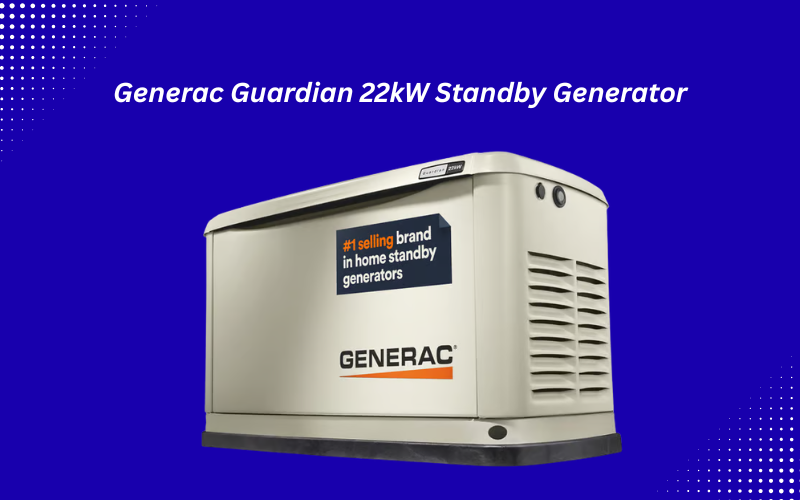
1. Generac Guardian 22kW Standby Generator
Generac dominates the residential standby generator market nationwide. The Guardian 22kW sits at the top of its air-cooled lineup. It delivers whole-house power without a load management system. It carries the lowest cost per kilowatt of any air-cooled home standby generator on the market.
The unit ships with Generac’s Mobile Link monitoring app included free. Mobile Link remote monitoring lets you check generator status from anywhere using a smartphone, tablet, or PC. You get real-time alerts about maintenance needs and operating status. The generator also includes True Power Technology for clean output. This technology delivers less than 5 percent total harmonic distortion for smooth operation of sensitive electronics.
Pricing starts reasonably compared to premium competitors on the market. Generac lists the 22kW Guardian with whole house switch starting at $6,979 before installation. Installed pricing typically lands between $10,000 and $16,000 in Florida. Site conditions, gas line distance, and permit fees affect the final number.
Generac backs the unit with a five-year limited warranty standard. The warranty covers automatic standby generators for five years from purchase. Extended warranties are available through authorized dealers for additional cost. Generac also runs the largest dealer network in the country. That network matters enormously during post-hurricane repair season.
Best for: Homeowners wanting the most affordable true whole-house standby coverage.
2. Kohler 20RESCL Standby Generator
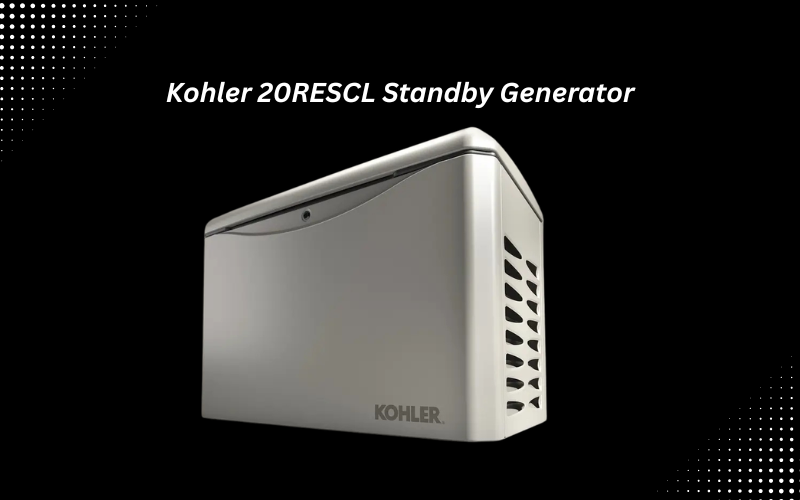
Kohler built its reputation on engine longevity and quiet operation. The 20RESCL delivers 20kW of continuous automatic backup power. It runs on natural gas or liquid propane, matching Florida infrastructure well.
Kohler engines trace back to decades of marine and industrial experience. Dealers consistently praise the brand’s smoother, quieter combustion cycle. The 20RESCL includes an integrated transfer switch and smartphone connectivity. OnCue Plus monitoring lets owners track fuel, runtime, and alerts remotely.
Kohler generators typically cost more than comparable Generac models. Industry pricing data shows a consistent gap between the two brands. Kohler typically costs $1,000 to $2,000 more than a comparably sized Generac unit. Installed pricing in Florida usually ranges from $11,000 to $17,000 total.
The tradeoff favors buyers who prioritize engine life over upfront savings. Kohler engines often outlast comparable air-cooled competitors by several years. Quieter operation also matters in dense neighborhoods and HOA communities. Many Florida subdivisions enforce strict noise ordinances during normal weather.
Best for: Homeowners prioritizing quiet operation and long-term engine durability.
3. Champion 22kW Home Standby Generator
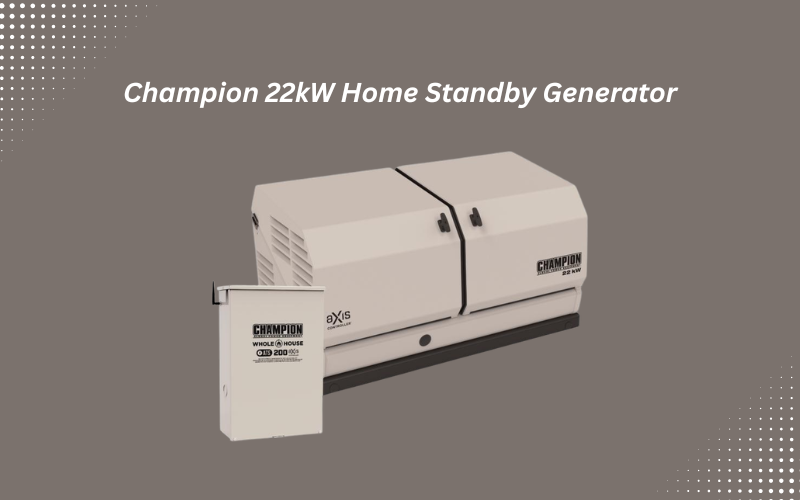
Champion entered the standby market later than Generac and Kohler. It undercuts both brands aggressively on price point. The 22kW model delivers strong whole-home coverage at a lower cost.
Champion includes a smart transfer switch with load-shedding technology standard. This feature lets the generator manage high-draw appliances intelligently. It prevents overload without requiring a larger, more expensive generator. The system prioritizes essential circuits automatically during peak demand periods.
The generator includes Wi-Fi connectivity and app-based remote monitoring. Champion also backs the unit with a strong limited warranty. Most residential Champion standby units carry a 10-year limited warranty. That warranty length beats Generac’s standard five-year coverage significantly.
Champion generators use fewer authorized dealers than Generac or Kohler. Finding local installation and service support takes more research upfront. Parts availability can also lag behind the two larger competing brands. Buyers should confirm local service coverage before purchasing this unit.
Best for: Budget-conscious buyers wanting standby power with a long warranty.
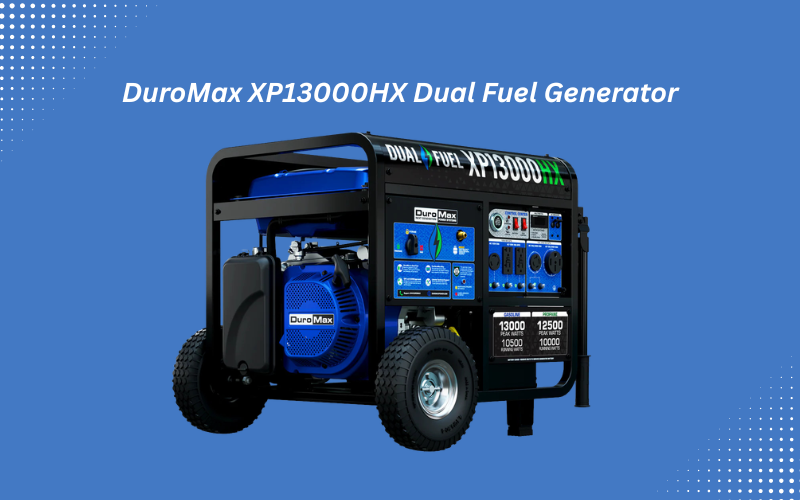
4. DuroMax XP13000HX Dual Fuel Generator
The DuroMax XP13000HX brings serious power to the portable category. It produces 13,000 running watts and 10,500 peak watts. The dual-fuel design runs on either gasoline or propane interchangeably.
This flexibility matters enormously during Florida hurricane season specifically. Gasoline often disappears from stations before major storms arrive. Propane tanks stay available and store safely for months. Switching fuel sources takes seconds with the built-in selector switch.
The unit includes an electric start button and remote start fob. No manual pull-cord starting is required in most situations. It also includes a digital hour meter and low-oil shutoff. The frame includes wheels and handles for repositioning around the property.
DuroMax prices this unit well below comparable dual-fuel competitors. Retail pricing typically falls between $1,800 and $2,300 depending on retailer. That price covers a fraction of standby generator installation costs. No electrician, gas line, or permit is required for basic setup.
Noise output runs louder than standby generators by a wide margin. Expect roughly 72 to 74 decibels at full load operation. Some HOAs and municipalities restrict portable generator noise levels. Florida buyers should check local ordinances before relying on this unit long-term.
Best for: Homeowners wanting powerful, flexible backup without standby installation costs.
5. Westinghouse WGen14500TFc
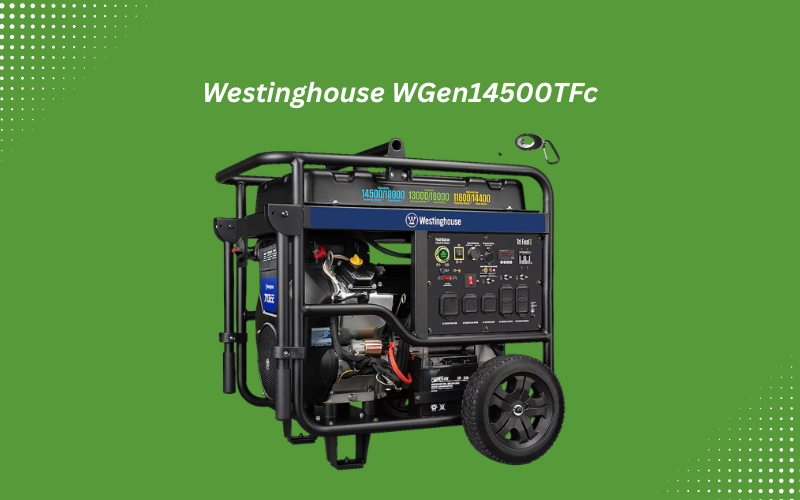
Westinghouse built the WGen14500TFc as a flagship portable powerhouse. It delivers 14,500 running watts and 18,500 peak watts. That output rivals many entry-level standby generators directly.
The unit includes a transfer switch-ready design from Westinghouse’s factory. Homeowners can add a manual transfer switch for whole-panel switching. This setup bridges the gap between portable and standby convenience nicely. It avoids extension cords running through windows during a storm.
Westinghouse equips this model with remote start and electric start buttons. A built-in fuel gauge and low-oil shutdown protect the engine automatically. The unit also includes CO Sensor Technology as a safety feature. This sensor shuts the generator down if carbon monoxide levels spike.
Fuel capacity sits at 10.8 gallons for extended runtime capability. That tank size delivers roughly 10 hours of runtime at half load. Weight comes in heavy at over 200 pounds fully loaded. Never-flat wheels help with positioning despite the substantial weight.
Pricing typically ranges from $1,900 to $2,400 at major retailers. Westinghouse backs the unit with a three-year limited warranty standard. That warranty length beats most gasoline-only portable competitors in this class.
Best for: Buyers wanting near-standby power output without a permanent installation.
Comparison Table for Backup Generator for Florida Hurricanes
| Generator | Type | Output | Fuel | Est. Price | Warranty |
|---|---|---|---|---|---|
| Generac Guardian 22kW | Standby | 22,000 watts | Natural gas / propane | $6,979 + install | 5 years |
| Kohler 20RESCL | Standby | 20,000 watts | Natural gas / propane | $8,000–$9,500 + install | 5 years |
| Champion 22kW | Standby | 22,000 watts | Natural gas / propane | $6,500–$7,500 + install | 10 years |
| DuroMax XP13000HX | Portable | 13,000 watts | Gasoline / propane | $1,800–$2,300 | 3 years |
| Westinghouse WGen14500TFc | Portable | 14,500 watts | Gasoline | $1,900–$2,400 | 3 years |
Prices reflect equipment cost only for portable units. Standby prices include starting MSRP before local installation labor. Florida installation typically adds $4,000 to $9,000 depending on site conditions.
How to Size a Generator for Your Florida Home
Sizing mistakes waste money in both directions consistently. An undersized generator trips breakers under normal household load. An oversized generator burns fuel and money unnecessarily every outage. Start by listing every appliance you need running during an outage.
Air conditioning draws the largest single load in most Florida homes. A central AC unit typically needs 3,500 to 5,000 starting watts. Refrigerators, well pumps, and sump pumps add meaningful additional draw. Add these numbers together before choosing a generator size.
Whole-house standby generators rated 20kW to 22kW cover most homes. That range handles central air, well pumps, and full kitchen appliances simultaneously. Smaller homes without central air can size down to 14kW comfortably. Larger homes with pools and multiple AC zones may need 26kW or more.
Portable generators require more careful load management by the homeowner. Running a portable unit above its rated capacity damages the engine. It also risks damaging connected appliances through voltage fluctuation. Always leave a safety margin below the generator’s stated maximum output.
Fuel Considerations for Hurricane Season
Fuel availability becomes critical during active storm threats every season. Gas stations run dry within hours of a hurricane warning. Propane tanks offer a safer, more reliable alternative for standby units. Natural gas connections never run out during a storm at all.
Natural gas requires an existing utility connection at the property. Most suburban and urban Florida homes already have gas service. Propane requires an on-site tank, typically 250 to 500 gallons. Rural and coastal properties often rely on propane exclusively.
Gasoline works for portable generators but degrades within thirty days. Stale gasoline clogs carburetors and prevents reliable engine starts. Fuel stabilizer extends storage life to roughly twelve months safely. Dual-fuel portable units solve this problem by allowing propane backup.
Propane never degrades and stores indefinitely in a sealed tank. This makes dual-fuel portable generators smart choices for hurricane preparedness. Keep at least one full propane tank on hand year-round. Refill immediately after any storm season use.
Installation Requirements and Florida Permitting
Standby generators require professional installation by a licensed electrician. Most Florida counties also require a separate mechanical or gas permit. Installation typically takes one to three days from start to finish.
The process includes pouring a concrete pad for generator placement. Electricians then install a transfer switch at the main panel. Gas or propane lines connect to the generator from the fuel source. A final inspection from the county closes out the permit.
Homeowners associations often require design review before installation begins. Some HOAs restrict generator placement, screening, and noise levels specifically. Always confirm HOA rules before ordering a standby generator system. This step prevents costly relocation after installation is already complete.
Portable generators need zero permits or professional installation typically. However, never run a portable generator inside a garage or home. Carbon monoxide poisoning kills several Americans every hurricane season nationally. Always operate portable generators at least twenty feet from windows and doors.
Generator Safety Tips for Hurricane Season
Safety mistakes cause more harm than the power outage itself sometimes. Follow these rules every time you operate backup power equipment.
- Never run a portable generator indoors or in an attached garage
- Keep the generator at least twenty feet from doors and windows
- Install carbon monoxide detectors on every level of your home
- Never plug a generator directly into a wall outlet
- Use a properly rated transfer switch or heavy-duty extension cords only
- Let the generator cool completely before refueling it
- Store extra fuel in approved containers away from living spaces
- Test standby generators monthly using the built-in self-test feature
Cost Breakdown: Standby vs Portable Over Time
Upfront cost tells only part of the financial story here. Standby generators cost more initially but require less ongoing effort. Portable generators cost less initially but demand fuel runs during storms.
Standby generators also raise home resale value in most markets. Florida buyers increasingly ask about backup power during home showings. Real estate agents report growing buyer interest in storm-ready homes. A standby generator can shorten time on market noticeably.
Portable generators depreciate faster and require more frequent maintenance attention. Carburetors need cleaning after periods of storage without use. Standby generators run a short self-test weekly and need less attention. Annual professional maintenance for standby units costs $200 to $400 typically.
Frequently Asked Questions
What size generator do I need for a Florida home with central AC?
Most Florida homes with central air need at least 20kW for standby coverage. Homes over 3,000 square feet with multiple AC zones may need 26kW.
How long can a standby generator run continuously during a hurricane?
Natural gas standby generators can run indefinitely as long as gas service continues. Propane-fueled units run until the tank empties, often several days on a 500-gallon tank.
Is a portable generator enough for a Florida hurricane?
A portable generator handles essential circuits like refrigeration, lights, and window units. It will not power a full central AC system reliably in most homes.
Do I need a permit to install a standby generator in Florida?
Yes. Most Florida counties require electrical and mechanical permits before installation. Your installer typically handles this process as part of the project.
Can I run my portable generator during the actual hurricane?
Yes, but place it in a covered, ventilated area away from flooding risk. Never run a generator in direct rain without proper weatherproof housing.
How much does whole-home generator installation cost in Florida?
Total installed cost typically ranges from $10,000 to $18,000 depending on brand and site conditions. Get at least three local quotes before committing to an installer.
What is the quietest standby generator for HOA communities?
Kohler generators consistently earn praise for quieter operation among dealers and owners. Confirm your HOA’s decibel limits before final purchase.
Final Words
Florida hurricane season demands real preparation every single year. A below-normal forecast does not guarantee a quiet summer for anyone. One storm can still knock out power for two full weeks. The five generators in this guide cover every budget and need.
Choose a standby generator if you want automatic, hands-off protection. Choose a portable dual-fuel unit if budget or space limits your options. Either choice beats waiting in a gas line after the storm hits. Prepare before June ends, not after a warning is issued.
Buy early, install early, and test the system before storm season peaks.






 Get survival, travelling and auto tips, follow new technology trends, entertainment stories and world events with PeekTimes.